Table of Contents
Introduction
Did you know that skipping moisturizer, especially at night, can actually exacerbate oily skin? Many people believe that if their skin is oily, they should avoid using any form of cream or moisturizer, especially during the nighttime. This misconception can lead to a cycle of dehydration, increased oil production, and ultimately, more breakouts. At Moon and Skin, we understand that navigating the world of skincare can be confusing, especially when it comes to oily skin and the use of night creams.
In this post, we will explore the importance of moisturizing for oily skin, what to look for in a night cream, and how our carefully formulated products can support your skin's health without the unwanted greasiness. Together, we’ll break down the benefits of night creams, clarify the common myths surrounding them, and provide valuable tips for crafting an effective skincare routine tailored to your specific needs.
Why Oily Skin Needs Moisturization
The Basics of Oily Skin
Oily skin is primarily caused by overactive sebaceous glands that produce excess sebum. While sebum plays a vital role in protecting and hydrating the skin, too much of it can lead to a shiny complexion, enlarged pores, and acne breakouts. However, the misconception that oily skin doesn't require hydration can be detrimental. In fact, dehydrated skin may trigger the sebaceous glands to produce even more oil in an effort to compensate for the lack of moisture.
The Effects of Skipping Moisturizer
When oily skin is deprived of proper hydration, it can lead to several adverse effects:
- Increased Oil Production: The skin may respond to dehydration by ramping up oil production, creating an even greasier appearance.
- Compromised Skin Barrier: A lack of moisture can weaken the skin's natural barrier, making it more susceptible to irritants and environmental damage.
- Breakouts: Dehydrated skin is more prone to acne and irritation, leading to a vicious cycle of breakouts and oiliness.
The Benefits of Night Cream for Oily Skin
Using a night cream can provide several key benefits for those with oily skin:
- Hydration Balance: A well-formulated night cream can replenish moisture without adding excess oil, helping to maintain a healthy balance.
- Rejuvenation: Night creams are typically richer in active ingredients that promote skin renewal, which is essential for combating the signs of aging and maintaining a youthful appearance.
- Targeted Treatment: Many night creams are designed to tackle specific concerns, such as acne or enlarged pores, making them an excellent addition to an oily skin routine.
The Importance of Ingredients
When choosing a night cream for oily skin, it's crucial to look for non-comedogenic and lightweight formulations. Ingredients such as hyaluronic acid, niacinamide, and plant-based extracts can provide hydration without clogging pores or adding excess oil.
Key Ingredients to Look For
Hyaluronic Acid
Hyaluronic acid is a powerful humectant that attracts moisture to the skin, helping to keep it hydrated. It's lightweight and suitable for all skin types, including oily skin, making it an essential ingredient in any night cream.
How it Works: Think of hyaluronic acid as a sponge—it draws water into the skin, ensuring it remains plump and hydrated without a greasy feel.
Niacinamide
Niacinamide is a form of vitamin B3 that has numerous benefits for oily skin. It helps regulate sebum production, minimizes the appearance of pores, and improves skin texture.
Benefits: By incorporating niacinamide into your nighttime routine, you can help calm inflammation and keep oiliness in check.
Lightweight Oils
While it may seem counterintuitive, certain oils can benefit oily skin. Lightweight oils like jojoba or squalane can provide hydration without clogging pores.
Why It's Effective: These oils mimic the skin's natural sebum, helping to balance oil production while providing essential nutrients.
Peptides
Peptides are short chains of amino acids that can promote collagen production and improve the skin’s elasticity. They help in repairing the skin barrier, making them a valuable addition to any night cream.
Key Takeaway: Peptides can aid in maintaining the skin's firmness and overall appearance, providing long-term benefits beyond just hydration.
Selecting the Right Night Cream for Oily Skin
When shopping for a night cream, it's essential to pay attention to the formulation and packaging. Here are some tips to help you make the right choice:
- Look for Non-Comedogenic Labels: Ensure the product is labeled non-comedogenic, meaning it won't clog pores.
- Opt for Gel or Lightweight Creams: These formulations are often better suited for oily skin types, providing hydration without heaviness.
- Check for Active Ingredients: Look for the key ingredients we've discussed, such as hyaluronic acid, niacinamide, and peptides, which can effectively address oily skin concerns.
- Avoid Heavy Fragrances: Products with strong fragrances can irritate sensitive skin and disrupt the balance of your skin barrier.
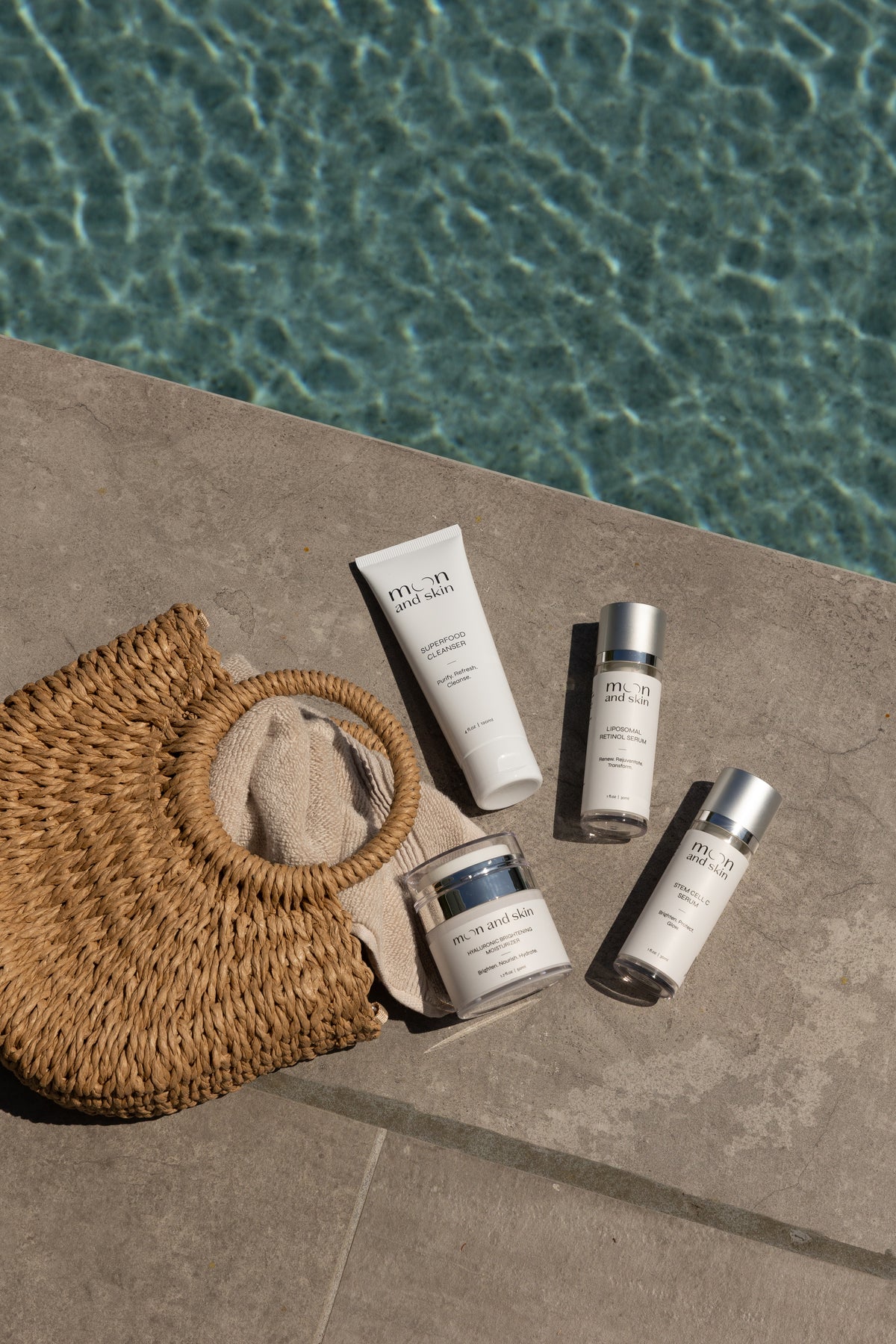
Recommended Product: Hyaluronic Brightening Moisturizer
Our Hyaluronic Brightening Moisturizer is an excellent option for those with oily skin. This acne-safe formula combines hyaluronic acid with kojic acid, providing deep hydration while brightening the complexion. Its lightweight texture ensures it absorbs quickly, leaving your skin feeling refreshed and balanced.
Building an Effective Skincare Routine
Morning Routine
- Cleanse: Start your day with a gentle cleanser to remove any excess oil or impurities.
- Tone: Use a toner with astringent properties to help minimize pores and prepare the skin for moisture.
- Treat: Apply a targeted treatment if you have specific concerns, such as acne or hyperpigmentation.
- Moisturize: Use a lightweight, non-comedogenic moisturizer.
- Protect: Finish with a broad-spectrum sunscreen to shield your skin from UV damage.
Evening Routine
- Cleanse: Remove makeup and impurities with a cleanser.
- Tone: Refresh your skin with a toner suitable for oily skin.
- Treat: Incorporate treatments such as serums with active ingredients like retinol or vitamin C.
- Moisturize: Apply your night cream, ensuring it contains beneficial ingredients that support your skin type.
The Role of Our Products
Our Best Sellers collection includes products designed to work in harmony with oily skin. Using our Superfood Cleanser can help cleanse your skin without stripping it of essential moisture, while our Stem Cell C Serum can brighten your complexion and combat signs of aging.
Common Myths About Night Creams and Oily Skin
Myth 1: Night Creams Will Make My Skin Greasy
This is a common concern, but as we've discussed, the right night cream can provide hydration without the heaviness. Look for lightweight, non-comedogenic options that cater specifically to oily skin.
Myth 2: You Don't Need Moisturizer if You Have Oily Skin
As mentioned earlier, skipping moisturizer can lead to increased oil production and skin dehydration. Even oily skin requires hydration to maintain balance and health.
Myth 3: All Night Creams are Too Heavy
Not all night creams are created equal. Many brands, including ours, offer lightweight formulations that are perfect for oily skin.
Conclusion
Navigating the world of skincare can feel overwhelming, especially when it comes to oily skin and the use of night creams. However, we hope this post has provided clarity on why moisturizing is crucial for oily skin and how to choose the right products for your needs.
At Moon and Skin, we believe in providing clean and thoughtful skincare, no matter your skin type. Our Bundle & Save collection offers an opportunity to build a complete routine that addresses your unique skin concerns while saving you money. Together, let’s empower your skincare journey and celebrate your skin at every phase of life.
FAQ
Can I use night cream if I have oily skin?
Yes! Using a lightweight, non-comedogenic night cream can help hydrate your skin without making it greasy.
What ingredients should I avoid in a night cream for oily skin?
Look for night creams that are free from heavy oils, fragrances, and alcohol, as these can irritate your skin and lead to increased oiliness.
How often should I use a night cream?
Night creams are generally designed for daily use. Incorporating one into your nightly routine can help maintain hydration and support skin renewal.
What is the best way to apply a night cream?
After cleansing and treating your skin, apply a small amount of night cream to your face and neck. Gently massage it in using upward circular motions for better absorption.
Can I use my day moisturizer at night?
While it's possible to use a day moisturizer at night, night creams often contain more potent ingredients for hydration and repair. We recommend using a product specifically designed for nighttime use, like our Hyaluronic Brightening Moisturizer.